Ear infections, the complete run-down

Common Ear Infection

As I said elsewhere, I remember when my children were young, they seemed to tag team us with ear infections. My youngest son, in particular, had a lot of problems with his ears which eventually led to him having grommets fitted. Common ear infections can happen in the outer or middle ear and they happen when germs such as bacteria, viruses or fungi cause swelling and irritation of your outer ear or inflammation of your middle ear. They are most common in childhood, however, they can happen at any age. Middle ear infections can be very dangerous if left untreated, and unfortunately, we hear of deaths caused by un-treated middle ear disease all too often. I wrote an article here on the pages of Know about one such instance where an un-diagnosed middle ear infection caused the death of Andrew Broadhurst in the UK. Less common infections can strike the inner ear, the cochlea and they can cause a whole shedload of trouble. So on this page, I want to give a full outline of ear infections. 
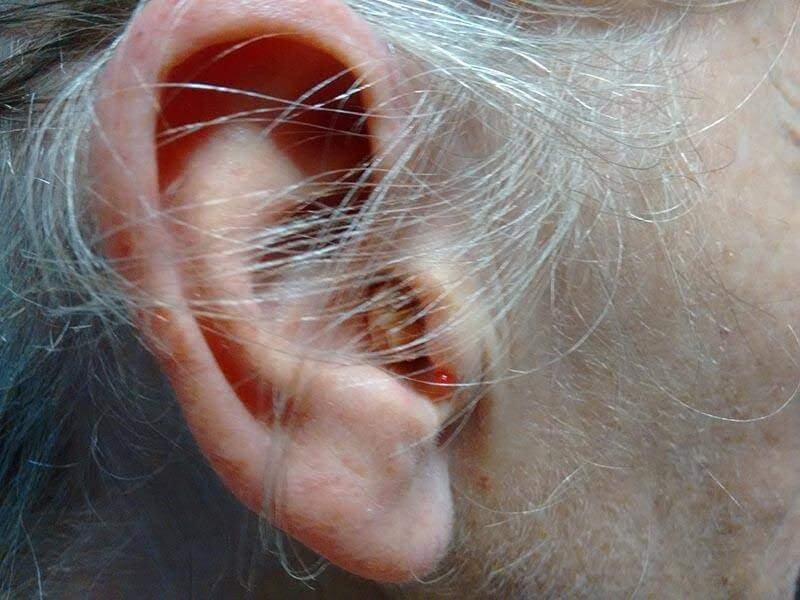
Overview:

In professional terms, common infections of the ear are called by two different names based on the site of the infection. Otitis media is an infection of the middle ear and infections of the outer ear are called otitis externa. Most ear infections are uncomfortable but not serious. Many ear infections may actually clear up by themselves in a few days. In general terms, ear infections whether they are Otitis Media or Otitis Externa are unlikely to cause permanent loss or impairment of hearing but you should consult a doctor if you are getting infections often or if you have one that does not seem to be shifting. Less common inner ear infections are not normally accompanied by pain, they can induce dizziness, vomiting and a marked loss of hearing though. 

Ear Pain

Both types of common ear infections can cause pain, however, the site of the pain is obviously very different. Most people would be able to tell the difference between outer ear pain (pain on the outer ear or in the ear canal) and the deeper middle ear pain. The different sites of pain can be handy to let you know what you are dealing with. 
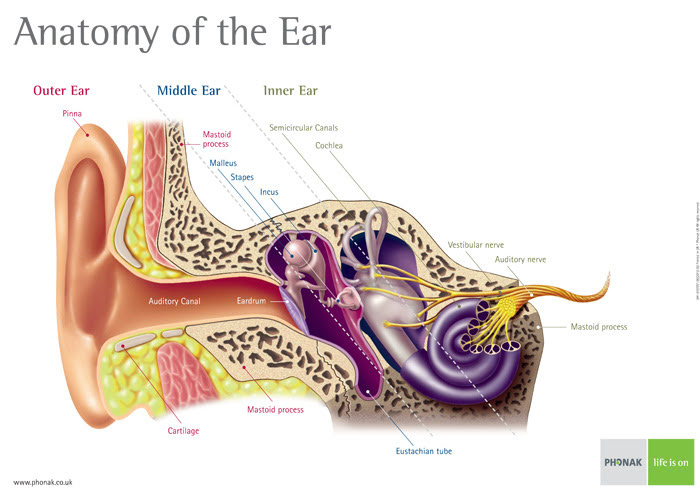
Ear anatomy courtesy of Phonak

Ear infections and hearing aids

Infections can be problematic for aid wearers. Swelling in the ear can stop your hearing aid from fitting properly, it can also reduce what you can hear and temporarily change the acoustics of your ear. Steve has had quite a few infections over the years and he says his hearing is usually reduced for the few days that the infection lasts.

He got his first ear infection during his honeymoon in the Dominican Republic (“it was a nice wedding present that stayed with me for a long time”). The initial infection was quite severe and he had to visit the local medical center for antibiotics, which luckily cleared it up quickly. It was a brief swim in the sea that gave him the infection.

After that he started to get recurring infections every three months or so – this lasted for a couple of years and it wasn’t until he bought myself a new pair of aids that the infections finally stopped. He said, “that may have been coincidence but it seemed as though the bacteria causing the infection lived on my aid’s shell and re-infected my ear every so often and wearing new aids finally stopped it”.

Getting rid of a minor infection if you wear hearing aids

If you wear hearing aids and you get an ear infection:

  • Try and let your ears get as much air as possible. Try and take your aids out a bit more often and let your ears breath. Particularly true if you wear a moulded in-the-ear model of hearing aid that is stopping air getting into your ear and making it sweaty – that’s a great environment for bacteria to thrive.
  • Don’t get your ears wet. That’s advice from the doctor in the Dominican Republic that has stayed with me ever since. Resist the urge to wash your infected ears out. Keep them as dry as possible while infected.
  • Wipe your hearing aids after taking them out.
  • If the infection lasts more than 4-5 days then go see your doctor or get some ear-drops or antibiotics. The cause of the infection will determine the treatment – you can’t treat a viral infection with antibiotics, for example.

Middle Ear Infection, Otitis Media

What is a middle ear infection?
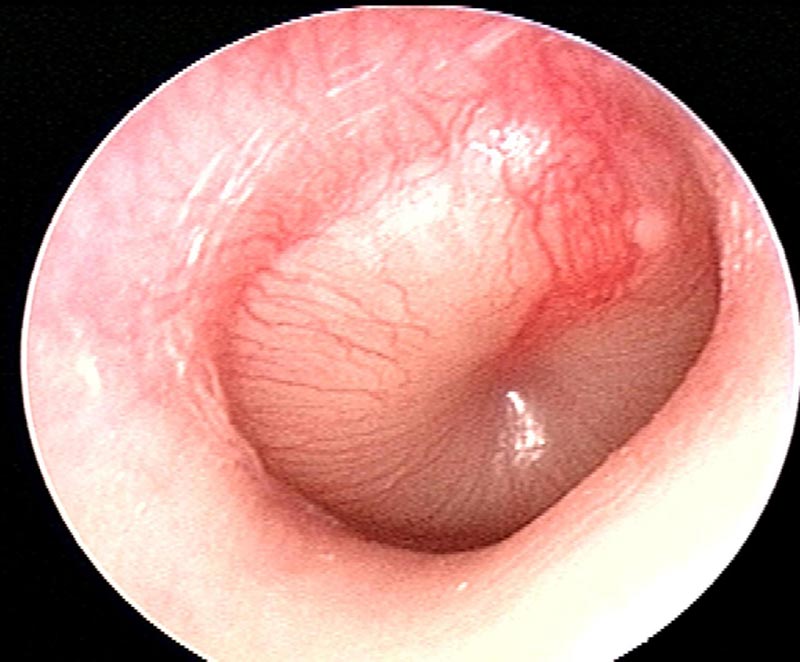
Otitis Media

Middle ear infections or otitis media occur inside the middle ear cavity, behind the eardrum. They happen when a virus or bacteria cause the area behind the eardrum to become inflamed. You can see in the image taken by a video otoscope the eardrum is inflamed and bulging outward. All of the usual physical landmarks on the eardrum have been masked by the thick white fluid that is behind the eardrum. 

When an infection gets to this stage there is usually quite a bit of pain and probably a fever. However, That is not always the case. I once saw a lady who was complaining about her hearing aid not working well who had an eardrum that looked a lot like the one in the image. But, she felt no pain whatsoever and suffered no fever, she was completely and astonishingly asymptomatic (without symptoms).

Middle ear infections are widespread in young children but can occur in adults as well. Most children will have a bout of otitis media during their early life even if there are no symptoms. The primary cause for this issue in children is often a combination of upper respiratory tract infection and eustachian tube dysfunction. The eustachian tube connects the middle ear and the back of the nose and throat. It is responsible for drainage and keeping the pressure in the middle ear equal. In children, the eustachian tube is smaller and more horizontal than adults.
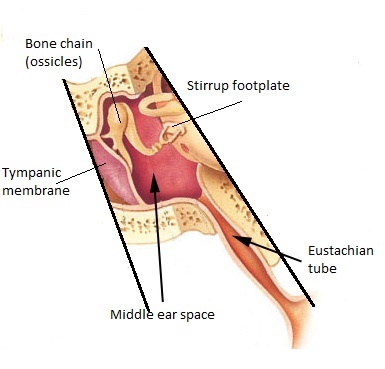
Middle ear cavity and anatomy

The Eustachian tube is narrow, it also has an isthmus, means an even tighter bit. Mucous membrane (the same as your nose), line the middle ear cavity and the eustachian tube. When you combine all these things with an infection, you get a closed-up eustachian tube, pressure and fluid build up in the middle ear and if the mucous build up gets infected, you get pain. Most middle ear infections occur during the winter and early spring. Quite often, middle ear infections will go away without any medication. However, if the pain persists or you develop a fever, you should seek medical treatment.

What are the types of middle ear infections?

There are two types of middle ear infections, the medical terms for them are, acute otitis media and otitis media with effusion. Let me explain the difference:

  • Acute otitis media: Acute otitis media usually comes on quickly, it is normally accompanied by fever and ear pain. A hearing impairment can often occur as a result of trapped fluid and/or mucous in the middle ear cavity.
  • Otitis media with effusion: Otitis media with effusion is slightly different. After a mid-ear infection is treated, sometimes mucous and fluid will continue to build up in the middle ear. This fluid isn’t infected, however, it can cause the feeling of the ear being full and affect your ability to hear clearly.

What causes a middle ear infection?

There are a number of reasons why someone can get middle ear infections. More often than not, a respiratory tract infection spreads to the ears through the eustachian tube. When that happens, the tube can become inflamed and blocked, naturally occurring fluid will collect behind the eardrum. If bacteria grow in the fluid, it will inflame the entire middle ear cavity causing pain and infection.

What are the symptoms of a middle ear infection?

The symptoms of middle ear infection are:

  • Pain
  • Fever
  • Pressure or fullness in the ear
  • For a child, tugging or pulling at the ear
  • Hearing loss
  • Puss or fluid draining from the ear canal
  • Headaches

Diagnosing middle ear infections

In general, the diagnosis of mid-ear infections is undertaken by using an otoscope to view the ear canal and eardrum. We are looking for redness, swelling, or signs of pus or fluid in the ear canal. If we can see the eardrum, we are looking for signs of fluid build-up behind it. We can also diagnose mid-ear infections with a test called tympanometry. Tympanometry checks the function of the middle ear and it is a simple, quick and effective test procedure. 

Treating middle ear infections

Many middle ear infections are treated with antibiotics. In most cases, the antibiotics will be taken orally. On some occasion, antibiotic ear drops may be prescribed. They will also prescribe pain medication or advise the use of over-the-counter pain relievers. Many Doctors will also advise the use of a decongestant, nasal steroids, or an antihistamine.

Opening The Eustachian Tubes

A helpful technique here can be popping your ears, the medical term is auto-insufflation. It is a technique taught to scuba divers to equalise pressure, and it also is a favourite of anyone who flies regularly. It’s meant to help clear your eustachian tubes. You do this by squeezing your nose, closing your mouth, and very gently exhaling. This can send air into the eustachian tubes, causing them to open, relieving pressure and help drain the fluid. Be careful doing this, if your middle ears are well and truly infected this can be painful. 

What are the complications associated with middle ear infections?

While complications are rare, they do sometimes occur, especially if someone suffers from a chronic mid-ear infection.  complications associated with middle ear infections are:

  • An infection that spreads to the bones of the ear
  • An infection that spreads to the fluid around the brain and spinal cord (what caused the death of Andrew Broadhurst)
  • Permanent hearing loss
  • Perforated (ruptured) eardrums

Otitis Externa, Outer Ear Infection

Sometimes this type of infection is called “Swimmer’s Ear”, it is an infection of the eardrum, ear canal or outer ear. The reason it is often referred to as swimmer’s ear is that it is often caused by swimming. It often begins with water inside the ear canal, however, other things can cause it. In general, many outer ear infections are fungal in nature, but I have seen some whopping bacterial ones. While both types of ear infections can cause pain and discomfort, outer ear infections affect the visible part of the ear and canal, often appearing as swelling, redness and itchiness. Symptoms of outer ear infection:

  • Painful ear
  • Often tender to touch
  • Occasionally pus or fluid
  • Red appearance
  • Swollen

Treating outer ear infections

First off, the outer ear should be carefully cleaned. That is then followed by the application of antibacterial or antifungal and anti-inflammatory medications on your ear. Antibiotics would be prescribed if your doctor thinks the infection is bacterial. Viral is different and irritating, viral infections don’t really have a treatment, simply clean it and put antibacterial medication on it so that it doesn’t turn bacterial. You then just have to wait for the infection to sort itself out. However, if it is something like herpes simplex (don’t panic, it’s a cold sore), more specialised treatment may be necessary.​

Preventing Future Infections

There are a couple of things you can do to prevent a further infection, especially in the case of outer ear infection. Here is what you can do:

  •  Don’t stick anything in your damned ear, no fingers, no bobby pins, no keys, nothing, de nada
  • Try to keep water out of your ears. If you’re a frequent swimmer, get earplugs or a swimming cap
  • If you didn’t follow the rule above (idiot) shake out or drain any trapped water inside your ears once you get out of a pool or ocean.
  • If you are suffering from a bad cold, use a decongestant, this can help keep the eustachian tubes open
  • If you feel stuffed up, try clearing your eustachian tubes by auto-insufflation

Scripps scientists discover molecular defect involved in hearing loss

The Scripps Research Institute is reporting that scientists there have illuminated the action of harmonin, a protein which is involved in the mechanics of hearing. The finding reportedly sheds new light on the workings of mechanotransduction, the process by which cells convert mechanical stimuli into electrical activity. Defects in mechanotransduction genes can cause devastating diseases, such as Usher’s syndrome, which is characterized by deafness, gradual vision loss, and kidney disease, which can lead to kidney failure.

The research, led by Scripps Research Professor Ulrich Mueller, was published in the May 14, 2009, issue of the journal Neuron.

“We’re constantly confronted with mechanical signals of many different kinds and we have sensors all over our bodies that respond to those signals,” Mueller says. “For example, mechanosensors in the muscles control posture, while those in skin allow us to feel touch. Though many of our other senses, such as taste and smell, are well understood, mechanosensory perception is a world about which we know next to nothing.”

The complete press release is –>available here.

Source: The Hearing Review.

Have you bought hearing aids online?

Have you bought a hearing aid online? If so, I’d love to know your experiences. Did it meet your expectations? Was it good value for money? Have you had to have it re-programmed or checked since you bought it?

Hearing aids that are sold online tend to be for mild to moderate hearing losses and so I can’t try them out myself. If you have bought online and can spare a couple of minutes to let me know what you think then please do.

I wont publish your name or anything your write if you don’t want me to. Basically, I want to write a bit about buying online versus buying on the high-street but wanted to get some first-hand reports first.

Thanks!

How to adjust your own hearing aids

This is a guest article by Daniel Taft.

Daniel Taft is an engineer with a PhD in cochlear implant sound processing from the University of Melbourne and the Bionic Ear Institute. He is the Chief Technology Officer for Blamey & Saunders Hearing, a company that offers hearing aids scientifically designed to order online and adjust at home.

Step 1 – Choose The Hearing Aids.

You will need to buy hearing aids that you can adjust at home, from a reputable dispenser. The company I work for, Australia Hears, offers hearing aids that are specially designed to adjust yourself. It’s easy to do, and our clients get great results.

In general, we recommend choosing a hearing aid with five important technologies:

  • Multiple frequency channels so that you can adjust each frequency independently of the others. We use 32 channels.
  • An adaptive directional microphone that automatically becomes directional in noisy situations so that you don’t have to change programs. This makes a drastic improvement to quality of speech in noisy environments.
  • An open fit hearing aid offers greater comfort and does not require a custom ear mould.
  • A good feedback canceller. This allows greater amplification without whistling and is essential for an open fit device.
  • A low delay processor. This reduces the echo perceived from a time delay between air conducted sound and amplified sound.

Step 2 – Install The Software.

Obtain the fitting system (usually software and cables) from the manufacturer. Not all manufacturers offer this, and not all hearing aids are easy to adjust.

Step 3 – Adjust At Home.

Your home is a familiar environment in which to adjust your hearing aids, so that everyday sounds are exactly the way you want. Feel free to listen to your radio and TV while you do this. Don’t be surprised if the fridge sounds louder.

Connect the hearing aids to your computer and adjust the settings to make things sound just the way you like. This saves you time and money too. After all, you know your own ears best.

Here’s what our IHearYou hearing aid software looks like. You can take as much or as little control as you wish, and Australia Hears offers online help and support if you need it. Like all good software, it is designed by experts to make a sophisticated task easy for others.

  1. Enter your audiogram, or send it to us and we will enter if for you. This step is optional (here’s why).
  2. Balance the loudness across frequencies, using special sounds generated by the hearing aid. This compensates for your individual hearing levels.
  3. Adjust the overall volume, listening to real sounds though the hearing aid. This should include your own voice, and another person’s voice.
  4. That’s all. Test it out in the real world, and return to fine tune if necessary. Australia Hears software includes a questionnaire and other intuitive processes to make this easy.

Me and Tinnitus

M

y hearing loss was first noticed when I was about 5 years old and I’ve been wearing hearing aids more or less since then. I didn’t wear aids much in my early-mid teens as I was too worried about looking cool – since the age of 19 o so I haven’t gone a single day without wearing them, I’m 37 now.

I also have tinnitus in my right ear. I remember having it around my late teens and early twenties but then it went away completely for about 7-12 years but has returned and I still have it now. I have a constant tone, fairly high-pitch, it’s difficult to describe what it sounds like but if you go to this page and play the sound on there, it’s kinda like that but not exactly.

Luckily for me my tinnitus has never bothered me that much, it’s never annoying and it never stops me from getting to sleep or concentrating. Fingers crossed it stays that way.

I can control it (a bit)

My tinnitus gets worse when I think about it. When I started writing this it got worse, when I browse the web for information on tinnitus it gets worse. The opposite doesn’t work though, I can’t consciously make it sound quieter or go away. Seems like it is my brain making the unwanted noise, not my ears, possibly it is trying to compensate for the lack of real sounds coming in?

My hearing aids help (a lot)

Our brains naturally pick out the loudest sounds, so when I wear my hearing aids the real sounds drown out the tinnitus, so much so that I don’t notice it at all for most of the day. It’s only during very quiet spells when it starts to become noticeable again.

Being tired doesn’t help

My tinnitus definitely gets worse when I am tired.

Caffeine?

I drink a lot of tea and coffee, I love the stuff. Some studies have linked excessive caffeine use to tinnitus and others have cast doubt on it. I’m sticking with my tasty hot beverages for now.

Tinnitus is a bit of a kick in the teeth: we can’t hear much of the real sounds that we want to hear and to add to that our brains have decided to make up and play to us some unwanted noise. Do you have tinnitus? How much does it bother you and how do you deal with it?

New software to boost voice recognition for hearing aid and cochlear implant users

This is from Science Daily:

Hearing aids and cochlear implants act as tiny amplifiers so the deaf and hard-of-hearing can make sense of voices and music. Unfortunately, these devices also amplify background sound, so they’re less effective in a noisy environment like a busy workplace or café.

But help is on the way. Prof. Miriam Furst-Yust of Tel Aviv University’s School of Electrical Engineering has developed a new software application named “Clearcall” for cochlear implants and hearing aids which improves speech recognition for the hard-of-hearing by up to 50%.

“Hearing-impaired people have a real problem understanding speech,” says Prof. Furst-Yust. “Their devices may be useful in a quiet room, but once the background noise levels ramp up, the devices become less useful. Our algorithm helps filter out irrelevant noise so they can better understand the voices of their friends and family.”

Based on a cochlear model that she devised, the new patented technology is now being developed to improve the capabilities of existing cochlear implants and digital hearing aids. Adding Clearcall to current technology is quite straightforward, says Prof. Furst-Yust, and requires only add-on software for existing devices.

But help is on the way. Prof. Miriam Furst-Yust of Tel Aviv University’s School of Electrical Engineering has developed a new software application named “Clearcall” for cochlear implants and hearing aids which improves speech recognition for the hard-of-hearing by up to 50%.

“Hearing-impaired people have a real problem understanding speech,” says Prof. Furst-Yust. “Their devices may be useful in a quiet room, but once the background noise levels ramp up, the devices become less useful. Our algorithm helps filter out irrelevant noise so they can better understand the voices of their friends and family.”

Based on a cochlear model that she devised, the new patented technology is now being developed to improve the capabilities of existing cochlear implants and digital hearing aids. Adding Clearcall to current technology is quite straightforward, says Prof. Furst-Yust, and requires only add-on software for existing devices.

Read the full article on Science Daily.

Binaural and Monaural hearing loss

Binaural: “Having or relating to two ears”

Monaural: “Of, relating to, or designating sound reception by one ear”

If you have a binaural hearing loss then you have a problem in both of your ears – if you have Monaural then it’s only one.

If you do have a binaural loss then it is very important that you wear hearing aids in both ears. Don’t be tempted to buy only one – in my opinion it would be better two buy two cheaper hearing aids than it would be to buy one expensive one. We use both of our ears to hear and if you wear only one hearing aid you will have big problems trying to locate the source of sounds and everything will sound very uneven. You won’t hear half as well with one aid, you’ll hear less.

Clive Anderson backs hearing aid donation campaign

Clive Anderson is backing a charity campaign calling for people to donate their unwanted hearing aids, which will be recycled for deaf children in developing countries.

Charity Sound Seekers, which aims to improve the lives of deaf children, has joined forces with Specsavers hearing centres for the appeal. More than 300 hearing centres across the country will host fundraising activities and collect unwanted hearing aids for the charity.

TV and radio presenter Clive said: “The partnership between Specsavers and Sound Seekers is, in every sense, a great way to help deaf children in the developing world. I’m pleased to support it, and hope you can as well.”

Gary Williams, chief executive of Sound Seekers, said: “In the countries we work in, fewer than one in 40 people who could benefit from a hearing aid have one.

“Every single donated hearing aid counts, so we are very grateful to Specsavers for their support.”

Collection bins for donated hearing aids are now permanently located inside all Specsavers hearing centres. It follows the success of a similar scheme for unwanted glasses, already in place with UK charity Vision Aid Overseas (VAO). Since 2003 a quarter of a million glasses have been collected and recycled by Specsavers optical stores for VAO, for use in developing countries.

Richard Holmes, marketing director of Specsavers said: “Sound Seekers provides essential support for children in countries where audiology services are scarce.

“Specsavers stores offer an ideal platform from which to request recycled hearing aids and host fundraising activities for the charity. We are delighted we can offer this level of support to such a worthwhile cause.”

Known in full as Sound Seekers – The Commonwealth Society for the Deaf, the charity works to improve the lives of deaf children and children suffering from ear disease in the developing countries of the Commonwealth by providing specialist equipment, training and support.

For further information on Sound Seekers, please visit www.sound-seekers.org.uk.

Sonic Innovations Parent Company Renamed Otix Global

Shareholders of Sonic Innovations Inc, Salt Lake City, overwhelmingly approved the renaming of Sonic Innovations Inc to Otix Global Inc at the company’s recent annual shareholder meeting. The name and ticker symbol change have already been adopted.

“The move is designed to create a holding company that will allow the Sonic Innovations’ brand and Sonic’s other brands to operate independently from each other,” said Sam Westover, the company’s chairman and CEO, in a statement released by the company. He says Sonic Innovations will continue as a company and brand developing and distributing hearing instruments and services, and Otix will serve as the parent company for Sonic and its other legal entities.

Westover says that the company renaming will not have an impact on Sonic stock issued prior to the name and ticker symbol change—which will remain under the Sonic name—but stock purchases made after June 15 will be issued under the name Otix Global Inc. All stock will then be traded in the market under the OTIX ticker symbol on NASDAQ, he says.

“Sonic Innovations has become much more than a developer and manufacturer of hearing instruments, and it is now necessary to create a distinction between the Sonic Innovations hearing instrument brand and the company’s various other brands,” Westover said in the statement. “This move allows each entity to operate independently in the marketplace, which we believe will be beneficial to Sonic’s customers, end users, and investors.”

Westover says customers Sonic customers will not see any change in the products or services they currently receive. “The Sonic brand will continue as it currently exists,” he noted. “If you deal with Sonic Innovations now, you will continue to deal with Sonic Innovations in the future. Nothing will change.”