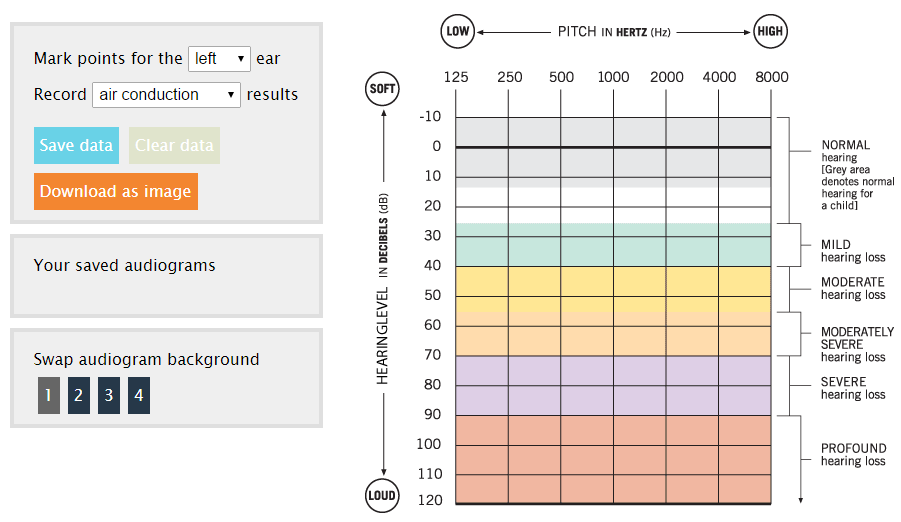
AAudiogram Creator is a free tool that lets you record hearing test results, save them for viewing later and download them as an image to your computer, smartphone or tablet.
I have released a new version of Audiogram Creator with the following features:
– You can now record results for the following tests: air conduction, bone conduction, masked air conduction and masked bone conduction using the industry-standard symbols.
– The new “download as image” button lets you….yeah…. download your audiogram as an image to your local device. This option will work on Chrome and Firefox browsers and may work on newer versions of Internet Explorer – if your browser doesn’t support the download option then you will not see the button, in this case you can try right-clicking on the audiogram and your browser may give you a “save picture as” option.
– The audiogram is a bit tidier – the symbol are easier to read and the lines between the symbols have better spacing, making the results easier to read.
NOTE: Any audiograms that you saved with the old version of audiogram creator will not be available in the new version.
Any feedback is very welcome. I’d like to make this tool as useful for people as I can. If you have any plain images that I could use as a background they would be gratefully received, the current background image that shows the speech banana is a little bit rough.
We have all by now read the lurid headlines in relation to the ongoing research into untreated hearing loss and its apparent link to neurocognitive disorders like Dementia. Headlines like the one above are likely to strike fear into people. But hey, that is what sells Newspapers, let’s take a closer look at the evidence.
In the recent past, there has been a lot of news articles talking about the effects of untreated hearing loss. Many of them focus on the effects of untreated hearing loss on the brain. From the studies that they quote, there appears to be a link between untreated hearing loss and cognitive diseases like Alzheimers and dementia.
Update: In a report presented July 20 at the Alzheimer’s Association International Conference 2017 (AAIC 2017) in London, The Lancet International Commission on Dementia Prevention, Intervention, and Care said that more than one-third of global dementia cases may, in fact, be preventable. They believe that there is the possibility to prevent dementia through addressing lifestyle factors that impact an individual’s risk. The AAIC announced. These potentially modifiable risk factors—which included hearing loss—have been identified at multiple phases across the lifespan, not just in old age.
“Our results suggest that around 35 percent of dementia is attributable to a combination of the following nine risk factors: education to a maximum of age 11-12 years, mid-life hypertension, mid-life obesity, hearing loss, late-life depression, diabetes, physical inactivity, smoking, and social isolation,” the study said.
Again, this should be treated as further weight of evidence in relation to untreated hearing loss and cognitive decline. The study is not definitive, but for the AAIC to make a statement such as this, it means that they feel there is a great deal of veracity in the link.
A Careful Reading of The Facts
It is important that we carefully look at the facts that we know, those facts need to be based on scientific study. The facts are not so clear-cut as the headlines would have you believe, yes it appears that there is a link, but it is by no means a causative link. Let me explain, the outcome of a study can show no link, a causative or causal link or a correlative link.
Causative links are proven links, for instance, smoking is a causative link for cancer. We know after much study that smoking has a direct link to the causation of cancer. Correlative links are different when something is correlative, it means that we know that when one thing happens it is often the case that something else is happening.
The data has not reached the stage where we can say there is a definite causative link. In fact, the data may never exist, it could be proved that there was ever only a correlative relationship. With this in mind I want to review a couple of studies in relation to cognitive decline, hearing loss and hearing aid use.
The Link Between Hearing Loss & Cognitive Disorders
What we do know is that studies show a very strong causative link between untreated hearing loss and more rapid cognitive decline. These studies only address the link between the hearing loss and the rate of cognitive decline. They show that there is a link between untreated hearing loss and more rapid cognitive decline in the people who suffer it. They do not show that that cognitive decline is directly linked to or may lead to Dementia or other cognitive disorders.
A study undertaken by Deal et al(1) show that the rate of 20-year memory decline for people with untreated hearing loss in a group, was twice the average rate of decline reported in national studies of cognitive change in older adults (Salthouse, 2010; Hayden et al., 2011). In comparison, the hearing aid users in this study with moderate/severe hearing loss showed a rate of cognitive decline that was only slightly higher than the rate for subjects with normal hearing. This seems to prove that treating hearing loss when needed reduces cognitive decline.
This study was undertaken over a long period with 253 subjects. It shows that there is more than a passing relationship between untreated hearing loss and more rapid cognitive decline. It is thought that the cognitive decline could be related to hearing loss may be correlated with temporal lobe and whole brain atrophy(brain shrinkage)(2) (Lin & Albert, 2014; Peelle, et al., 2011; Lin et al., 2014 ). It is thought that increased social isolation, increased perceptual effort and changes in brain volume are related to the cognitive decline. However, and this is what matters, whether the two conditions are related to a shared underlying cause is not yet known.
More Evidence That Hearing Aids Reduce Cognitive Decline
Another long-term study shows that wearing hearing aids reduces the more rapid cognitive decline associated with hearing loss. it underlines the importance of having hearing loss treated at the earliest possible opportunity. It also shows that hearing loss is a more important health issue then is generally appreciated.
“Self-Reported Hearing Loss: Hearing Aids and Cognitive Decline in Elderly Adults: A 25-year Study,” (3) was published in the October edition of the Journal of the American Geriatrics Society. The study compared cognitive decline among older adults who were using hearing aids and those who were not. The study found that there was no difference in the rate of cognitive decline between a control group of people with no reported hearing loss and people with hearing loss who used hearing aids. However, untreated hearing loss was significantly associated with lower baseline scores on the Mini-Mental State Examination, a well-established test of cognitive function.
Professor Hélène Amieva, a leading researcher in the Neuropsychology and Epidemiology of Aging at the University of Bordeaux, France, headed up the study. The study followed a massive 3,670 adults, age 65 and older over a 25-year period as part of the Personnes Agèes QUID cohort (PAQUID), a cohort specifically designed to study brain aging.
Evidence That Hearing Aids May Improve Cognitive Function
A recent study by Jamie Desjardins, PhD, an assistant professor in the speech-language pathology program at The University of Texas at El Paso, has shown that hearing aids actually improve the function of the brain in people with hearing loss. We know that untreated hearing loss can lead to emotional and social difficulties, reduced job performance, and a diminished quality of life. As people age, cognitive skills like working memory, the ability to pay attention to a speaker in a noisy environment, or the ability to process information rapidly, begin to decline.
The study was designed to explore the effects of hearing loss on brain function. The study was undertaken on a group of individuals in their 50s and 60s with bilateral (both ears) sensorineural hearing loss who had never used hearing aids. The study participants took cognitive tests to measure their working memory, selective attention, and processing speed abilities before and after using hearing aids.
Two Weeks Of Hearing Aid Use Showed Improvement
Just two weeks of hearing aid use showed improvements in cognitive abilities, tests revealed an increase in percent scores for recalling words in working memory and selective attention tests. They also showed an increase in cognitive processing speed, in essence the time for participants to select the correct response was faster. By the end of the study, participants had shown significant improvement in their cognitive function..
Will Hearing Aids Slow or Prevent Dementia?
That is a question that can not be answered yet, simply because we don’t have enough evidence that untreated hearing loss directly contributes to Dementia in one way or the other. We know that they certainly seem to exist together in many cases. This is an emerging area of study, the results reported here offer strong support that the risk of rapid cognitive decline caused by hearing loss can be reduced, by treating hearing loss with hearing aids.
We do know that hearing aids are an effective way to improve communication and decrease social isolation. We now know that hearing aids will slow the more rapid cognitive decline seen in people with untreated hearing loss. What effect that will have on the onset of Dementia or other cognitive disorders is questionable.
It is clear that the two conditions are related and because hearing loss is easily treatable it may be one of the few ways in which someone can take steps to manage their risk of cognitive decline.
In essence, judgement is still reserved here except for one thing we do know, it is always a good idea to treat hearing loss. We hope we have given enough clear information here, if you have any questions, don’t hesitate to contact us.
1. Deal, J., Sharrett, A., Albert, M., Coresh, J., Mosley, T., Knopman, D., Wruck, L. & Lin, F. (2015). Hearing impairment and cognitive decline: A pilot study conducted within the Atherosclerosis Risk in Communities Neurocognitive Study. American Journal of Epidemiology 181 (9), 680-690.
2.Lin, F. & Albert, M. (2014). Hearing loss and dementia – who is listening? Aging and Mental Health 18(6), 671-673.
If you like what you see, share it so others can benefit
Samsung look set to enter the hearing aid industry, they will probably unveil a new hearing aid in 2016 and it will almost certainly tie in with a release of their Galaxy smartphones.
Samsung are creating quite a stir in the industry, with lots of speculation about their pending products. They have filed a number of hearing-related patents in the US, which got tongues wagging. They had a number of people attending International Hearing Aid Conference (IHCON) back in 2014 where they were apparently photographing everything and gathering as much information as the could. According to the press in Korea, they purchased $13.9M worth of hearing aid amplifiers in April 2015, which is a large order, so whatever they have planned it seems like they are going for it in a big way.
More choice and possibly ground-breaking innovation from a new player in the hearing aid market can only be a good thing for us consumers.
So what are Samsung’s hearing aids going to look like, how will they work, how will they be sold and how good will they be? No-one knows yet. Another unanswered question is whether Samsung will seek FDA approval for their devices or whether they will market them as “personal sound amplifiers” rather than medical devices, thus avoiding the regulatory process.
There are long-established hearing aid styles, namely in-the-ear and behind-the-ear, and the various flavours of each, and I would imagine Samsung will stick with the tried and tested models. I don’t expect them to come out with anything that looks radically different to what we wear today.
Samsung are the second biggest player in the smartphone market, behind Apple, so the obvious thing for them to do is to make their new hearing aid(s) work in unison with their phones. Apple already have their Made For Iphone system, which currently works with ReSound, Starkey, Beltone and some other hearing aid ranges – it is certain that Samsung will follow suit and make their latest phones and hearing aids work together. This will probably mean the best possible hearing experience on calls and when streaming music and video from your phone but will likely allow you to control your aid with your phone. I see this going much further than just being able to change the volume and programmes, I wouldn’t be surprised to see in-built hearing tests that record your audiogram on your phone, location aware hearing settings using the phone’s GPS, easy connection to a hearing professional for tuning your aids remotely, among other things. Smartphones these days are so powerful, when tightly coupled to a hearing device, the sky is the limit.
How will they be sold? That largely depends on whether Samsung get FDA approval or not. My feeling is that they will not get approval and will not sell them as medical devices, this will free them up to sell online and via other channels without the need for the patient to seek help from a hearing professional. I’m not sure whether the lack of FDA approval makes any difference to what features the devices can have, seems to me that the FDA approval controls more how you market and describe your product rather than what the product actually does: i.e. hearing aids are “medical devices” that try to “correct a hearing loss” and “are fitted for an individual’s medical condition” whereas PSAPs are more simply defined as “devices that enhance some sounds in specific situations”. I wonder if Samsung can bring a fully-functioning hearing aid to market but call it a PSAP?
Samsung’s entry into the hearing aid market will be interesting, I hope they bring some innovation with them.
If you have a passion for helping people to communicate effectively but are unsure about which field of study to pursue, you might consider studying communicative disorders, deaf education, or audiology. By becoming an expert in any of these areas, you will facilitate expression and understanding between people who would otherwise have difficulty communicating. Furthermore, you will enjoy the opportunity to learn about deaf culture.
Begin by immersing yourself in this culture. Throughout your education, attend the related seminars that the university offers. Finally, check the university’s online listing of jobs and internships frequently to find ways to get more experience. This will help you determine exactly what you want to achieve.
Bachelor’s in Communicative Disorders
Some universities, such as Utah State University, offer an undergraduate degree in communicative disorders that may be completed either on campus or online. If you choose to pursue your degree online, it is important to research the licensing laws and job market for your individual location before entering the program, as they vary widely by area. Entry into a communicative disorders degree will likely require a minimum GPA, so watch all of your grades carefully.
Although a BA or BS will be adequate education to work as a clinical aide, many undergraduate degrees are largely designed to prepare you for graduate work in audiology or speech-language pathology. Due to the clinical nature of these fields, you will need to study anatomy and physiology, so be sure you have a firm grasp of life sciences.
Bachelor’s in Deaf Education
A BA or BS in deaf education prepares you to be a teacher, not a clinician. Therefore, you must emphasize sign language skills to effectively instruct your students. In addition, you will need to take classes about teaching methods.
Doctorate of Audiology
The field of audiology is expected to grow by 34% over the next decade, so it is a wise goal if you feel it is a good fit for you. You can choose between earning a regular PhD or an AuD. An AuD will emphasize the use of hearing aids, cochlear implants, and other listening devices. You will learn about these exciting advances in science through practical experience, where you will get a firsthand view of the immensely positive impact your work in this field can do.This was a guest post by Heather Jensen from Utah State University. Heather is an Audiologist and Clinical Assistant Professor for Utah state University. She received her Doctorate of Audiology from Arizona School of Health Sciences in 2004. She has been an adviser for the student academy of audiology organization at USU for 11 years. Before coming to USU, she owned her own private practice, but decided she wanted to give back to the field of audiology by teaching students. When she’s not working she spends time with her four children, she also enjoys doing hearing related humanitarian missions.
A new study promoted by hearing specialist Amplifon has revealed that diabetes and hearing loss may share an often ignored link.
The Consensus Paper “Hearing and Diabetes”, promoted by Amplifon, puts in evidence studies in which type 1 and type 2 diabetes sufferers were discovered to be 2.15 times more likely to have a hearing impairment than the matched control group.
Diabetes patients seem to be more susceptible to noise-induced hearing loss and this may be due to impaired recovery from noise-induced injury, the study concludes. Amplifon suggests people with diabetes should be urged to undergo follow-up screening for prompt detection of any hearing loss.
Hearing loss in diabetic patients increases the risk of falls, social isolation, and the development of cognitive deficit or depression. For that reason, the study suggested that “the high prevalence of hearing impairment among diabetics merits consideration for a routine referral for audiometric testing”.
Commenting on the findings, Barry Downes, Professional Services Manager at Amplifon advised that a simple hearing test might help sufferers identify both problems earlier.
“Getting tested regularly can help speed up diagnosis of linked conditions such as diabetes, greatly improving the likelihood of managing symptoms in a way that least affects your day-to-day life.
“Here at Amplifon, we’ve put together a comprehensive guide to help people understand the correlation between the two conditions, as well as information on where to get your hearing tested. Taking a keen interest in your own health is really important, especially in older age”.
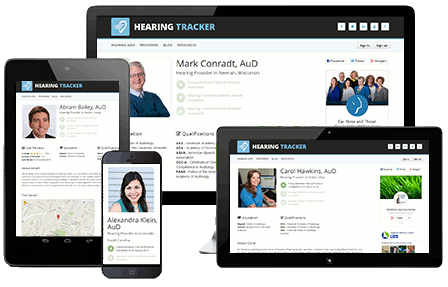
When buying hearing aids there are two things you need to get right: find the right hearing aid at the right price and find the right person to fit it for you. hearingtracker.com helps you with both, it’s a website that contains a long list of hearing providers and hearing aids, with patient reviews of both.
Hearing Tracker was founded by Dr. Abram Bailey, a registered audiologist, to help bring information and data to patients that helps us to make an informed hearing aid purchase. “We are 100% independently-owned, with zero influence from the hearing aid industry. We recently partnered with the Hearing Loss Association of America. The HLAA will be directing it’s members to our provider directory to locate nearby best-practice hearing providers, while Hearing Tracker will be educating consumers about the HLAA’s extensive (online and offline) support network, resources for those with hearing impairment, and advocacy projects.” he said.
Hearing Tracker has a directory of over twenty thousand audiologists and hearing aid providers, which can be searched by location, qualifications, services provided, hearing aids sold and so on. Us patients can leave reviews against any of the providers and rate them based on our experience – so it is a great way to find reputable local hearing aid providers. The find-a-clinic page has an interactive map, into which you can enter your preferred location and see ranked providers around that area.
The hearing list is incredibly thorough and contains a lot of information on each model along with reviews from users. Here, for example, is the Oticon Chili SP9 page, showing lots of info about the aid itself and user feedback.
Abram believes “that information is empowerment” and I very strongly agree, Hearing Tracker is a great resource to help you get the right hearing aids for you and the absolute best fitting to make sure they are working as best they can.
TIME magazine have been comparing jobs across America. They’ve looked at growth within an industry, stress-levels of workers and average incomes to determine the best and worst jobs. Being an audiologist came out top!
As it turns out, audiologists, medical professionals who treat hearing and balance problems, don’t have it so bad.
BLS projects the profession is expected to experience a 34% boost in jobs between 2012 and 2022. The median salary for audiologists is a stable $69,720. The projected growth is likely a reflection of the fact that as the nation ages — the over-65 population is expected to double by 2050 — the need for doctors who specialize in addressing that community’s ailments will only grow. And given millennials’ and youngsters’ tendency to blast music into their earbuds, which is partly to blame to the increasing levels of hearing loss among young Americans, the need for folks who can help us hear better will only grow.
“How many times have you been asked this question: if you had to choose, which would you prefer to be: deaf or blind? The question illustrates the misconception that deafness is in some way the opposite of blindness — as though there’s some sort of binary representation of disability. When we look at accessible Website design for the deaf, it’s not surprising to see it addressed in a similar fashion to accessibility for the blind.
Video captioning by itself oversimplifies the matter and fails many Deaf people. To provide better user experiences for the Deaf, we need to stop thinking of deafness as simply the inverse of hearing — we need to understand deafness from both a cultural and linguistic perspective. Moreover, to enhance the online user experience for the deaf, we must understand how deafness influences web accessibility.”
The above is a snippet from an excellent article about website accessibility for the deaf and hard of hearing, it is written by Lisa Herrod.
Uber is a technology startup that is making waves in the taxi-cab business – their Apple/Android app allows anyone to call a cab to their location, see how much the ride will cost and track pick-up and drop-off times.
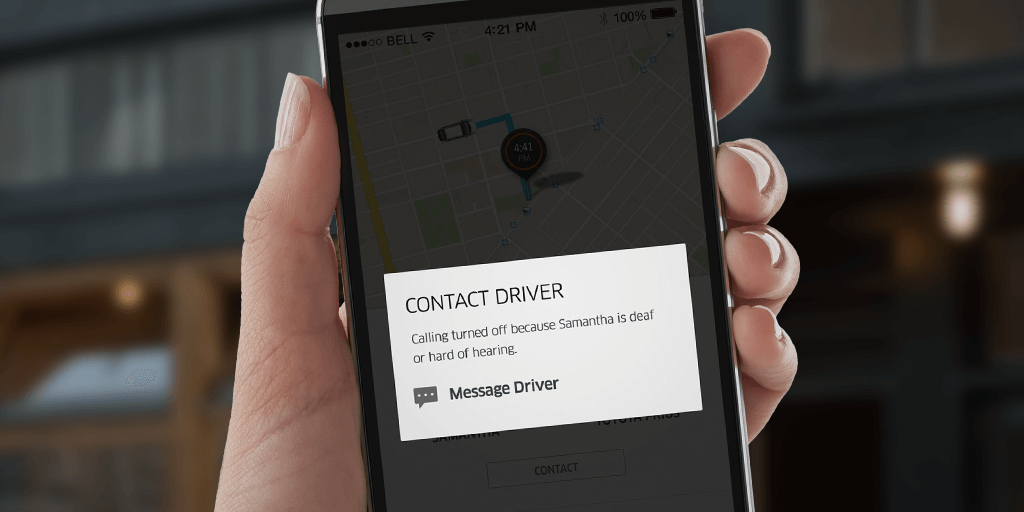
Uber are currently testing an update to their app that contains features for their deaf and hard of hearing drivers:
– When a customer requests a pick-up, the drivers app will alert them to the request with a flashing light as well as an audio alarm.
– If a driver register themselves as deaf/HoH with the Uber app it will no longer let passengers call them, instead it lets the passenger know of the driver’s hearing difficulty and asks them to type a message instead.
When making these changes Uber consulted with some of their hearing impaired drivers and also with the National Association Of The Deaf, who said:
“The NAD applauds the efforts of Uber to promote increased work opportunities for deaf and hard-of-hearing drivers. Moreover, we commend Uber for enhancing their mobile app to improve communications between drivers and passengers, regardless of whether they are hearing or deaf.”
Great to see a company making an effort to support their hearing impaired users.
Are you comfortable with taking your hearing aid out, changing the battery and putting it back in when there are other people about? Gael Hannan asked this question in her HHTM column and it got me thinking.
I don’t think I am comfortable with it, which is odd because I am more than happy to let people see my hearing aids, happy to talk about them and happy to write about them. But for some reason the act of touching them is different.
The office I work in at the moment is qute a challenging listening environment, it’s a small enough office that everyone can talk to each other without leaving their desks but big enough for people to be too far away for me to hear. There’s a radio at the other end of the office to me that is on most of the day, which adds to the problem. And finally, I sit close to a human-foghorn who drowns out almost everything else for at least 2 miles! All that means I am changing volume more often than I normally would and I’m not comfortable with fiddling with my aid to change it, I don’t know why, I don’t mind people seeing them, in fact that it useful as it draws attention to my hearing problem, but I don’t like being seen messing around with them. Luckily my Phonak v90s are smart in that when I change volume on one aid the other automatically changes too – so just one disguised volume change is needed, usually a turn of the head or a fake head scratch.
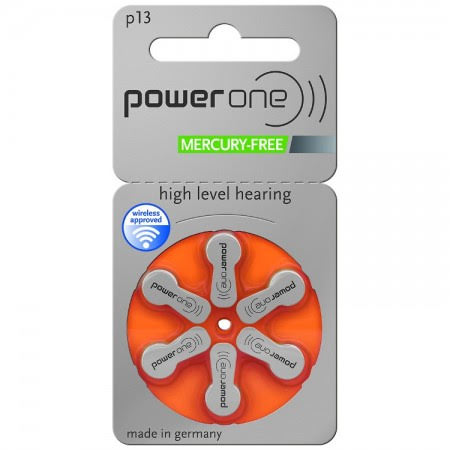
That’s just changing volume, changing the batteries would be even worse, not only would I draw some major attention by taking them out, people would also see the dreaded brown guck (copyright Gael Hannan!). I’ve been wearing hearing aids for about 25-30 years and I can honeslty say I have never changed the batteries whilst out in public, not once, never. I change the batteries every Monday morning and they have never died on me during the week, I have had a few duds that didn’t work when I put them in but never had one that didn’t last the week – which is pretty remarkable seeing as I have a severe hearing loss, so my hearing aids are working hard all the time. Thank you Rayovac for years of perfect service!

 yourhearingaidknow