Bernafon Zerena 9 Hearing Aids, My Experience So Far

Excellent Hearing Aids and the Soundclip-A is a Revelation

After my recent experience with the man from Bernafon I decided the least I could do was give the hearing aids a try. So I have been wearing a pair of the Zerena 9 MiniRITEs for the last two weeks. I have to say the hearing aids have proven to be very versatile, offering me a pretty good experience in every situation I have found myself in. You would expect that I mean these are pretty good technology from a long-standing brand. What has been a revelation though is the Soundclip-A. The multi-functional accessory that in my experience offers amazing benefits. Let’s talk about the Zernena. 
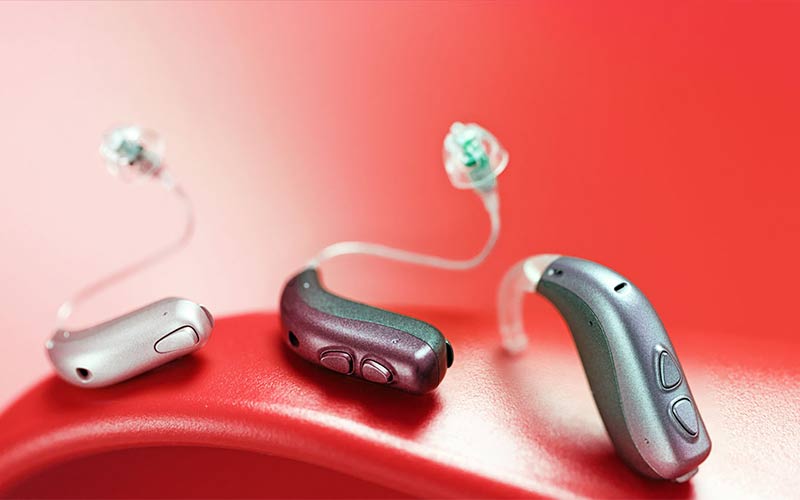
Bernafon Zerena

Overall Sound Quality

The overall sound quality of the Zerena is excellent, the aids deliver a nice sharp sound on first fit that seemed to be just about right for me. They delivered real clarity and that high-frequency zing I have come to expect from my hearing aids. The sound experience is pretty natural, or at least as natural as I have come to expect. There is a difference to the way speech is presented from everyone else.

However, it isn’t distracting, it isn’t immensely obvious, it just is. It can be hard to describe sound sometimes, the Zerenas sound different, but it is hard to define exactly how. Speech is realy clear and it is slightly different than how speech sounds through other hearing aids. How so, is hard to define. Streaming audio is excellent, I used an iPhone 8 just to test the direct set-up and was pretty impressed with the sound quality.

I had no more dropouts than I expected with the set-up, however, I didn’t use it for long. I am an Android man at heart so I connected my Galaxy S8 to the Soundclip-A that had been provided for just that eventuality. Streaming audio through the Soundclip was impressive, a nice full sound from music and clear conversation from phone calls. In fact, the Soundclip was pretty amazing all around, but I will come to that a little later. 

Everyday Situations

The Zerena has an automatic programme and doesn’t use sound settings or situation parameters. Their thoughts are that the world can’t be broken into sound situations because it is dynamic. They think that the hearing aids should be as well. This used to be the core belief of many of the hearing aid brands however, many have switched to situation parameters, I often wonder was it because it is fashionable?

Anyway, enough navel-gazing, the automatic programme works well and as you move through different sound situations the hearing aids react seamlessly. As with most modern hearing aids, there is no obvious change or switch, they just work. I found myself in several typical situations, in quiet, one to one conversations, group conversations, a noisy shopping centre, a busy urban situation, a noisy cafe, in the car and down the pub.

The Zerenas just delivered without fuss or fanfare. As I moved from situation to situation the features worked seamlessly without audible changes in the sound. They delivered speech clarity consistently even in tougher sound environments. 

In The Car and Outdoors

As you may know, I like to have the window open in the car when driving, no matter how cold it is. What it means is that wind rushes through and across that open window. The many hearing aids I have worn have handled this in different ways, some better than others. The Zerenas seem to handle it pretty well, the wind sounded no louder than it should and I was able to listen to my audio books and take calls without issue. Outdoors was pretty much the same, I didn’t really have many issues with wind noise but I wasn’t really in any large open spaces with them.  

Performance in Noisy Situations

 was in a few noisy situations during the trial and the hearing aids performed admirably well. They delivered the ability to understand speech clearly in most of the situations I found myself in. I took a Patient of mine to a local cafe when we were testing some changes I had made to his hearing aids. Happily enough he liked the changes and I found my own ability to hear to be pretty good.

The cafe was pretty busy with several groups have a good old Irish chat, so it was a pretty complex sound environment. In general, the noise in the background was kept in the background. I tried the Soundclip-A as a remote mic in the cafe just to see what it added. Well holy crap, it was a revelation, I was thinking why haven’t I used one of these before??????

The Soundclip-A
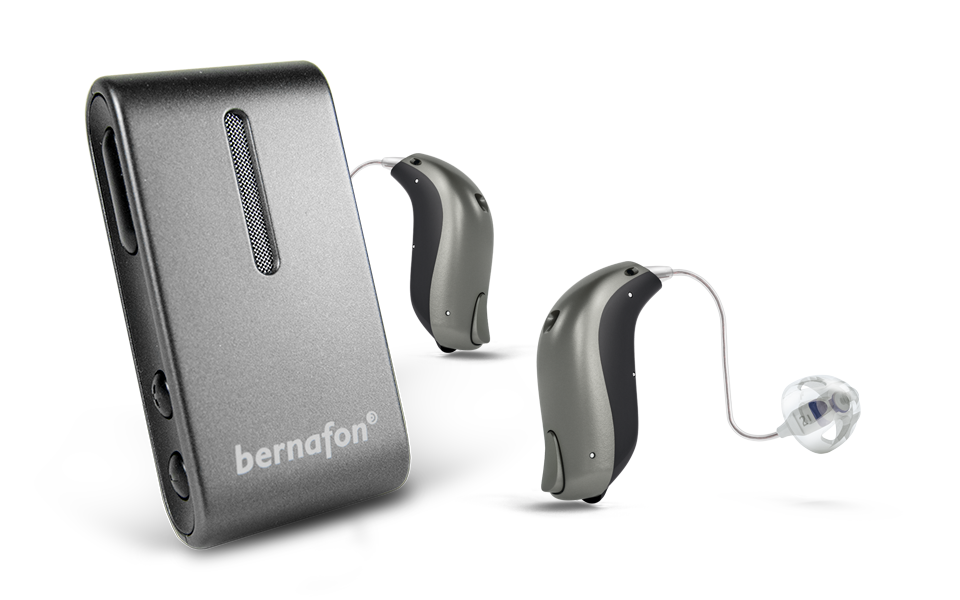
Soundclip-A with Zerena Hearing Aids

The Soundclip-A (can I just call it the soundclip from now on) is a multi-functional wireless accessory. It is used for sound streaming to both ears and offers connectivity with all smartphones with Bluetooth® from 2010 onwards. It allows you to use Zerena hearing instruments as stereo headphones. It can also be used as a remote/partner microphone and as a remote control. That’s a lot of function for one relatively cheap device. 

I had been using it for streaming all along but I hadn’t really played around with the remote mic function. I turned it on in the cafe not really expecting that much, but it actually blew me away. I could hear the guy I was with clearly, his voice was the dominant sound while the background almost seemed to have dropped a few notches. The results were impressive, so impressive that I really wondered why I hadn’t tried this before. 

Streaming Audio

The Zerena devices have twin radios onboard, like the Oticon Opn, the Signia Nx and the Widex Beyond, they are able to deliver their ear to ear features even while they are receiving streaming audio from an iPhone. As I have said before elsewhere, it means the hearing aids aren’t hobbled in any way while you are streaming audio.

The audio is pretty good, my music was excellent, full and clear, and phone calls, music and audiobooks were excellent. In fairness to you the reader though, I didn’t use it directly to iPhone for any meaningful amount of time so I would never say I put it through its paces. I was really happy with the soundclip and my Android phone thank you very much. 

In finishing, really good set of aids from a hearing aid brand I feel guilty about ignoring. You have to buy the Soundclip-A, it is so worth every penny and more. 
Looking for ear wax removal in Sheffield? Start Here

Private Ear Wax Removal Service Sheffield

Andy Green Hearingcare in Sheffield has joined the No Wax Ear Wax Removal Network. He provides ear wax removal in his clinic at JC Bird’s Opticians on Surrey Street Sheffield. He also offers ear wax removal in your own home across Sheffield, Rotherham, Chesterfield, Dronfield, Worksop & Barnsley. Let’s talk about our latest partner.

Ear Wax Removal

Over Twelve Years Experience

Andy Green is a HCPC registered hearing aid dispenser with over twelve years of experience. He has worked in both the public sector in the NHS and the private sector. Between 2011 and 2018 he worked for Boots in Sheffield before deciding to go out on his own. 

Hearing Aids & Hearing Care

He provides hearing aids from the big manufacturers including Phonak and Oticon and a host of hearing care services including hearing tests and noise protection.

Microsuction Ear Wax Removal

Andy charges £40 for one ear and £60 for both if you come to his clinic, however, he also offers ear wax removal in your own home at around £80. So if you are looking for ear wax removal in Sheffield, give him a call on 0114 270 1423 or 0800 246 5946

best hearing aid reviews.com, Another Fake Hearing Aid Review Site

During our recent look at Nano Hearing Aids we noted a new fave hearing aid review website which was being used to support the Nano website. The site is called Hearing Aid Reviews and is on the url (web address) besthearingaidreviews.com. The strategy is simple and has been around for a long time. When you are out to con someone, it is best received when the con is validated by a seemingly independent partner. The site is rubbish, let’s talk about why.

Nano hearing aids site

The site has been sitting around doing very little for a while, then this year a host of articles were added to the site with backlinks to Nano Hearing Aids. The idea is to help support the SEO of Nano Hearing aids. It is also to help support the trustworthiness and authority of Nano Hearing Aids. If you look through the articles, the publishing date is the 14th of January and the updated date is the 15th. Every single article.

Use Trusted Sites

Use trusted sites for your hearing aid reviews, sites like us and Hearing Tracker. You can be pretty sure that the information you receive is fair and unbiased. If you are looking at any website, look at the articles, see how far they go back. Look at the general level of content available and the subjects covered. Generally, the more you see, the better the site is. 

As I said in my last article, we will support online hearing aid retailers when and where it makes sense for the consumer. We are on record that we support Blamey and Saunders in Australia and we have mentioned some other sites that we would support here. I have laid out in the past why that is so. If you are determined to buy online, and if you are a fit for that model, go to one of them, don’t get ripped off by nanohearingaids.com.

Younger Children, Sudden Sensorineural Hearing Loss & Poorer Recovery Rates

Recently a study caught my eye in relation to Sudden Sensorineural Hearing Loss (SSHL). We have written quite a bit about the problem and have had articles from people who have suffered from it. It interests me greatly because it seems so prevalent, whereas when I first started in practice, I hardly ever heard about it. Anyway, the study is named “Sudden sensorineural hearing loss in children and adolescents: Clinical characteristics and age-related prognosis“. Typical double Dutch from the medical world but basically it looked at the recovery rates in younger Children and Adolescents from SSHL and how they differed. Let’s take a look. 

Children's hearing

Two Groups

First off, all of there were 67 people in the study had been diagnosed with SSHL. They were divided into two groups, the Children’s group which was made up of children aged between 4 and 12 years old. The Adolescent group which was made up of adolescents between the ages of 12 and 19 years old. All of the people in the study were treated with a 14-day course of systemic steroids with no variance between the groups.

Poorer Recovery Rate in Younger Children

The recovery rate among the adolescent’s group was for some reason higher than the recovery rate of children. The study found that the children’s group had a lower recovery rate than patients in the adolescent group.   

Definition of Recovery

In the study, recovery was defined as either complete recovery or partial recovery. Complete recovery was defined as a final hearing level less than 25 dB (which is essentially regarded as normal). Partial recovery was a final hearing from 25 to 45 dB (mild to moderate hearing loss) with a hearing recovery gain lower than 15 dB.

The total hearing recovery rate for all participants was 55.2%, with 35.8% having a complete recovery and 19.4% having a partial recovery. However, when you dig down the Children’s group had a complete recovery rate of 22.7% and a partial recovery rate of 13.6%.

Which when taken together, means a hearing recovery rate of 36.3%. The adolescent group fared far better with a complete recovery rate of 42.2% and a partial recovery rate of 22.2%. Which then taken together means the adolescent group had a total hearing recovery rate of 64.4%.

No Insight into Variances

The study offers no insight into why there was a poorer recovery rate in younger children. It did note something of real interest though the presence of tinnitus in a Patient with SSHL was significantly associated with hearing recovery. It also revealed that a low initial hearing threshold, high speech discrimination score, and descending type of audiogram were also positively associated with hearing recovery.

The study was limited in nature with only 67 people involved, however, it does raise questions about varying prognosis through age groups. Hopefully, further study will be undertaken to firstly validate this study and secondly begin to answer some of the reasons why outcomes appear to be poorer for younger children. 

Sources: Sudden sensorineural hearing loss in children and adolescents: Clinical characteristics and age-related prognosis, Jin Youp Kim, Jae Joon Han, Woong Sang Sunwoo, Ja-Won Koo, Seung-Ha Oh, Min-Hyun Park, Young Ho Kim, http://www.aurisnasuslarynx.com/article/S0385-8146(17)30484-4/fulltext

If you like what you see, share it so others can benefit

My Latest Experiences With The BeHear Now from Wear&Hear

The Finished Product is a Killer Device

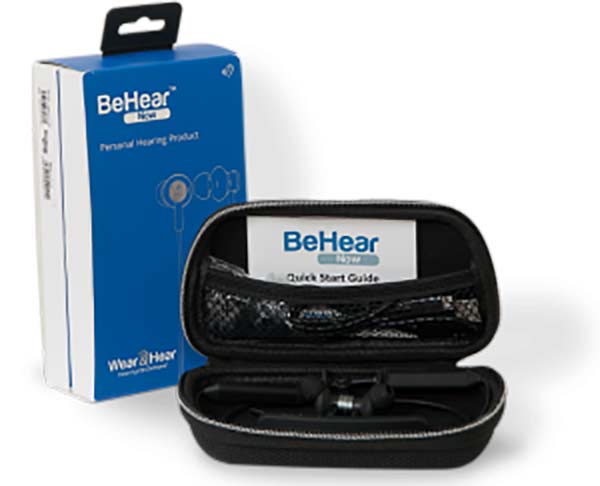
Be-HEar Bluetooth Headset

I got a chance back in June to play with the Beta test version of the BeHear Now Bluetooth Headset. At the time I said that the BeHear had some bugs, but when they iron them out, I thought that they would be an amazing piece of kit. Well, they have, and they are. The BeHear Now is a pretty good solution for people with hearing loss who aren’t ready to move forward to hearing aids. Let’s talk about the BeHear.  

What Are They?

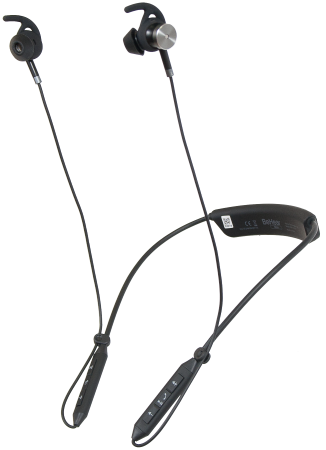
Be-Hear Headset Close Up

The BeHear Now devices fall within the new Hearables concept. The device is a Bluetooth enabled stereo headset that provides an audio enhancement that you can customise to your hearing needs. That enhancement works with phone calls, audio play, and ambient hearing.  The device can be set up to reflect your specific hearing ability which will deliver exactly what you need to hear calls, music and even the speech of someone nearby. 

Helping Comprehension

The ListenThrough™ sound enhancement feature of BeHear allows you to clearly hear the sounds around you. It works whether you are listening to streamed audio or not and it suppresses ambient noise while allowing speech and other important sounds, to pass through to your ears. They say “Smart filters in BeHear keep ambient noise out and important sounds in, so you stay connected to the real world”.

The BeHear Now also has a really amazing feature called EasyListen™ that helps to improve your hearing comprehension. While you are talking on the phone or listening to voicemail, the EasyListen™ technology slows down speech to improve intelligibility and it works surprisingly well. 

Even though it is slowing down the speech, it doesn’t feel abnormal. It just works really well. On phone calls there doesn’t seem to be any obvious disconnect, the caller doesn’t appear to notice any unusual pauses in the conversation and you get a better chance to hear what is being said. 

The BeHear Now device itself is quite sturdy and well built with two in-line remote controls, one for the typical Bluetooth features and the other to control the personal amplification features. The buds themselves have magnetic plates on the outside that ensures the earbuds clamp together in front of your chest when not in your ear.

Test Your Own Hearing

The BeHear Now App comes with a simple to use but quite in-depth, self-administered hearing assessment.  The free to download Smartphone application is available on both Google Play and the App Store. The app is easy to use and pretty intuitive, it gives you the opportunity to run a simple or more advanced hearing assessment that will test your ability to hear sounds. Go for the more advanced one, it adds a few frequencies of hearing and it will allow a more personal fit. The assessment is really easy and it is basically a pure tone air conduction test done through the headset using a volume slider for each frequency on the app. Basically, slide the volume slider until the sound is barely audible. 

An Audiogram!

I said before that I was surprised at the end of the test procedure to be presented with an audiogram. I have tested my hearing with the best of equipment and the audiogram produced by the BeHear delivered more or less the same results. However, this isn’t a full hearing test, it is an assessment of your ability to hear through air conduction only. A diagnostic hearing test will also include bone conduction testing at a minimum. However, it is probably good enough for a set of earphones. 

What Does The Assessment Add?

When you have taken the assessment, the device automatically adjusts voice and audio input controls to suit your hearing levels. It also creates various profiles based on the listening environment (indoors/outdoors, crowded and live music). While the presets are pretty good, the app also allows you to fine tune these profiles in real time any time you feel the need. That is a lot of power to hear better.  

Situational Devices

I said it in the original article, these types of devices are really situational devices, they are good for certain situational problems. They are not devices that you would or should wear all the time. However, if you are just looking for help with certain situations, well then devices might be for you. Alternatively, if you have consistent problems and you want to get an idea of what amplification will do for you, these devices will help with that. However, if you have problems hearing that is consistent across your day, well then you really need to consider wearing hearing aids.   

My Experience

The finished version does not seem to have any of the bugs I found in the beta version. They delivered amazingly crisp sound across all applications. Phone calls were excellent, especially with the slow down feature, music was crisp and really full, ambient sound was sharp and clear. The noise reduction feature which you can change the level of in the app was pretty good. It basically attacked steady-state noise by turning it down (a bass cut really) but it worked.  

The devices are light around the neck and wearing them in my ears caused no issue other than occlusion which you would expect with full earbuds. When you wish to take them out the earbuds hang in front of you and the magnetic plates on the outside of them clamp together to keep them neat. The in-line remotes work as advertised with the amplification remote allowing you to cycle through the different listening profiles etc. Takes a little time to build up touch memory, but once you have, the remotes work really well. 

The music experience is excellent, streamed music really was a pleasure to listen to. Streamed audio, in general, was excellent. The software-based problems I faced with the beta version are gone. The devices worked as advertised, the ambient noise feature worked without issue. You still get a little cut in sound when you click into an app on your phone but it is short (milliseconds) and manageable 

An Absolutely Fantastic Device

In finishing, I think the finished version are outstanding devices that do what they say. You can’t say better than that. As I said, these are situational devices, ideal and relatively cheap devices to give you a helping hand in particular situations. However, if you think you need to wear them all day, well then you need to start looking at hearing aids. 

Can’t Wait To Try The New LiNX Quattro? Well Here is Your Chance

Book a Demonstration of the LiNX Quattro Now

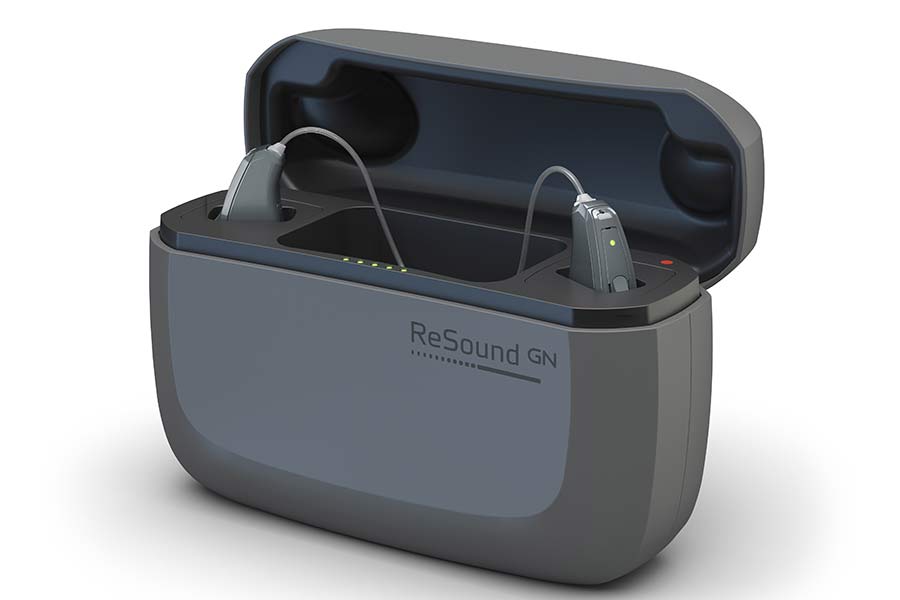
Can’t wait for the LiNX Quattro? Well here is your chance to get early access. Resound has given early access to the LiNX Quattro to some of the Premium hearing care centres in the UK and Ireland and you can book a demonstration on Hearing Aid Know.

Linx Resound Quattro rechargeable hearing aids

Premier Independent Hearing Centres

As we said, Resound has given early access to some of the premium hearing aid centres across the UK and Ireland. That means if you live near one of the centres you can get an early demonstration of the new technology. According to early reports from people using them, they are pretty good hearing aids. The specs look good and the new strategies Resound is using look really excellent. 

First Ever Hearing Aid Receiver in Canal with Embedded Biometric Sensor

Opens Up Opportunites for Hearing Aids as Integrated Health Devices

Valencell (produces the most accurate wearable biometric sensor systems in the world) and Sonion (a global leader in micro acoustics and micromechanics for hearing health and other ear-level devices) demonstrated the first ever hearing aid Receiver in Canal with an embedded biometric sensor at CES in Vegas. The breakthrough opens up vast opportunities for hearing aids to become integrated health monitoring devices. They say “BiometRIC receiver in canal is optimized for size and will measure heart rate, R-R interval, activity levels, energy expenditure, and will provide a platform for future innovations in hearing health devices. ” The biometric sensors offer comprehensive bio information and placing the sensor in the receiver (speaker) in the canal gives it perfect access to the best place to track that info. Let’s talk about what it offers, and what it might mean. 

CES Logo

Key Vital Signs Measurement

The BiometRIC measures critical vital signs and activity levels, the company says that the data will help address the documented hearing loss comorbidities, such as cognitive impairment, diabetes, cardiovascular diseases, stroke, arthritis, and cancer. BiometRIC measures continuous motion-tolerant (impacts or motion does not affect readings) heart rate and motion-tolerant R-R interval (the time between beats of the heart) and provides activity levels such as step count, total steps, and calorie burn.

That makes it an ideal sensor to meet the more comprehensive health monitoring needs of both the healthy fit and people with underlying conditions. While the functionality right now is impressive enough, they say that BiometRIC will provide a platform for the two companies to deliver future innovations in hearing aids, such as measuring blood pressure and blood oxygenation. They also said that the platform would enable hearing aid makers to add new functionality based on the inertial sensor data such as fall detection.

A Massive Step Forward

This truly is a massive step forward, and it offers possibilities for hearing aid manufacturers that were just pipe dreams up to recently. Biometric sensors can help with early identification and management of many of the conditions that traditionally affect hearing aid users. If a hearing aid user is also suffering from heart issues, continuous vital signs monitoring from the BiometRIC device can be used to assess the user’s condition. It can give the user an extra level of confidence that their health is being monitored and it can enable more effective disease management.

For the so-called healthy fit hearing aid users, it means more functionality from the one device that they wear during their waking time. For hearing aid brands, it offers another layer of data and brand new data points that they can innovate around. Combined with the new breed of personal assistant AI that we hearing aid brands such as Resound and Oticon are delivering, the possibilities are truly endless. Imagination is the only limit to what they can do. 

Starkey Announces Hearing Aids of The Future at Starkey Expo

Starkey also teased new hearing aids to be introduced this year that will change both the functionality and use case for hearing aids forever. They announced that hearing aids would be introduced this year that would have onboard inertial sensors that would be used to track activity and detect falls. Not just that, they also said that when and if a fall occurs, the hearing aids would report it. 

Sensor Sets and Hearing Aids

I have written many articles about the introduction of sensor sets to hearing aids and the massive change that it would make to my profession and to users. Most of those articles have been firmly aimed at professional circles as opposed to consumers. Last year I delved a little into the idea in the article Hearing Aids, What’s The Future?. I am really excited that one of the hearing aid brands has decided that their future includes the vision of a connected user, a vision where hearing aids are a device with a deeper use case.

Starkey Expo announcements

Younger Hearing Aid Users

I have witnessed the average age of the people I treat drop dramatically in the last decade. Not just that, my Patients are more active, with a healthier outlook. Hell, have my Patients wear Fitbits and do more exercise than I do. Although in fairness, that ain’t hard. I believe that hearing aids can go far beyond just helping you hear better. I believe that as the technology becomes available and the hearing aid brands become braver and more innovative, that the devices we now know as hearing aids will become multifunctional devices that have a deeper place in user’s lives. 

Helping Older People Stay at Home

I have also said that I think that sensor enabled hearing aids will help to keep older adults at home for longer. The Western World has an ageing population and we are living longer in general, those two facts have placed severe pressure on health systems. There are systems available that use biosensors to monitor older people in their own home. It allows family members and carers to keep elderly relatives under surveillance at home.

It does so through smart connected devices in the home and sensor sets that are worn by the elderly. It can tell carers if the relative is standing up or lying down, it will inform them of their pulse and temperature. The system can incorporate extra features depending on the person’s needs. These include sensors on doors, beds and cupboards. It also connects to a variety of medical sensors, either on the person’s body or on other devices, which can transmit details of pressure, weight, blood sugar levels, temperature and even oxygen in the bloodstream.

The cost of elderly care is outrageous, you could stay in a five-star hotel with meals for the price of a semi-decent care home. The costs are just rising, they aren’t getting any cheaper. While care homes are increasing their standards and some are attractive places to be, they aren’t home. It is also well known that the longer we keep an elderly person in their own home the better it is for them and the happier they are.

Hearing Aids as The Centre of Your Health

Hearing aids are in fact, an ideal place to mount such sensors, the ear canal can be tapped for a huge amount of biological information. Information such as blood oxygen level, pulse, blood sugar level, even brain wave signals. If we couple those sensor sets with inertial sensors we can easily detect movement. I think it makes perfect sense to do so, I think it will expand the use case of hearing aids and ensure that they deliver more value to users over and above just hearing better. Although, I do believe the gift of hearing better is life changing to someone with hearing loss.

Apparently, Starkey Think it as Well

So, apparently, Starkey think it is as well because they have set themselves on the path to be the first ever hearing aid brand to incorporate inertial sensors. Those inertial sensors will be used to track activity and detect falls, if a fall is detected, the hearing aids will alert people that it has occurred. Not just that, there is also talk about instant language translation as well. I mean how fricking cool is that? There is no word about pulse or blood oxygen levels, but inertial sensors are a really good start. 

These Definitely Aren’t Your Grandfather’s Hearing Aids

That slogan has been floating around the hearing profession for some time, but do you know what, these definitely are not going to be anything like your Grandfather’s hearing aids. I look forward to finding out more and as I do, so will you, keep tuned folks, the future is coming.

If you like what you see, share it so others can benefit

Starkey Announces Launch of New Lithium-Ion Rechargeable Hearing Aids

Starkey held their annual Expo event in Las Vegas recently, they take customers from around the world and treat them to three days off education, innovation and announcements about new products. As usual, this year was replete with all of those. One of the things that caught my eye was their announcement of a brand new rechargeable hearing aids model to their Muse IQ range.

Meet The Muse IQr

Starkey Muse IQr rechargeable hearing aid


The device is a called the Muse IQr and it is based on their pretty attractive RIC. We don’t know much about the device right now but we do know it is based on a Lithium-Ion rechargeable power pack. This is a diversion from their approach so far. Their initial rechargeable hearing aid offering was based on the ZPower Silver-Zinc rechargeable hearing aid system. I said when the device was introduced that I thought it might be a stop-gap because they had been working on a wireless rechargeable system in collaboration with an Israeli company. But hey, it seems I was wrong but right? You can see the Muse IQr in the flesh as they say in the video below. 

As you can see from the picture above the devices have been made easy to charge by the advent of guiding magnets which allow easy insertion of the aids into the charger. Another thoughtful addition is a holder for a drying tab, if you are buying RICs, you need to be drying them. Including a simple holder in the recharging case for a drying tab is a nice bit of thought from the designers. 

As we hear more about these new rechargeable hearing aids, we will let you know. 

If you like what you see, share it so others can benefit

Widex Goes Battery Free With New Fuel Cell Powered Evoke

Widex today announced that it has been named a CES® 2019 Best of Innovation Awards Honoree for WIDEX EVOKETM featuring WIDEX ENERGY CELL™ technology in the Fitness, Sports and Biotech product category. WIDEX EVOKE featuring WIDEX ENERGY CELL technology will debut at CES as the world’s first battery-free hearing aid at the Sands Expo Booth #43735. Available the summer of 2019, this new technology is built on the revolutionary WIDEX EVOKE platform to provide superior sound quality, while liberating users by leveraging the benefits of WIDEX ENERGY CELL technology.

Widex Fuel Cell for hearing aids

Using what will be the world’s smallest commercially-available fuel cell, WIDEX EVOKE featuring WIDEX ENERGY CELL technology allows users to reenergize their hearing aids off the grid in just 20 seconds. It is significantly easier to handle than traditional hearing aids and never needs a battery change again.

“With WIDEX EVOKE featuring WIDEX ENERGY CELL technology, the world will finally get to see its first hearing aid powered by fuel cell technology. Most hearing aids today use batteries or battery chargers connected to power outlets. Our new hearing aid will require neither. This is exciting new technology that will be hassle free for the user while providing superior sound quality and app control that makes the hearing aid easy to manage in any setting.” 
Jeff Geigel, President, Widex USA.

This is another pretty amazing innovation coming from a well respected and innovative brand. They have been working on this system for many years and it is a pleasure to see their dedication rewarded. It truly is innovative, one simple charge of Methanol that takes 20 seconds will run your hearing aid for 24 hours. We will cover the system in more depth in the coming days.